Parking as a Strategic Revenue Source: How Cities Can Unlock the Full Value of Their Curb Assets
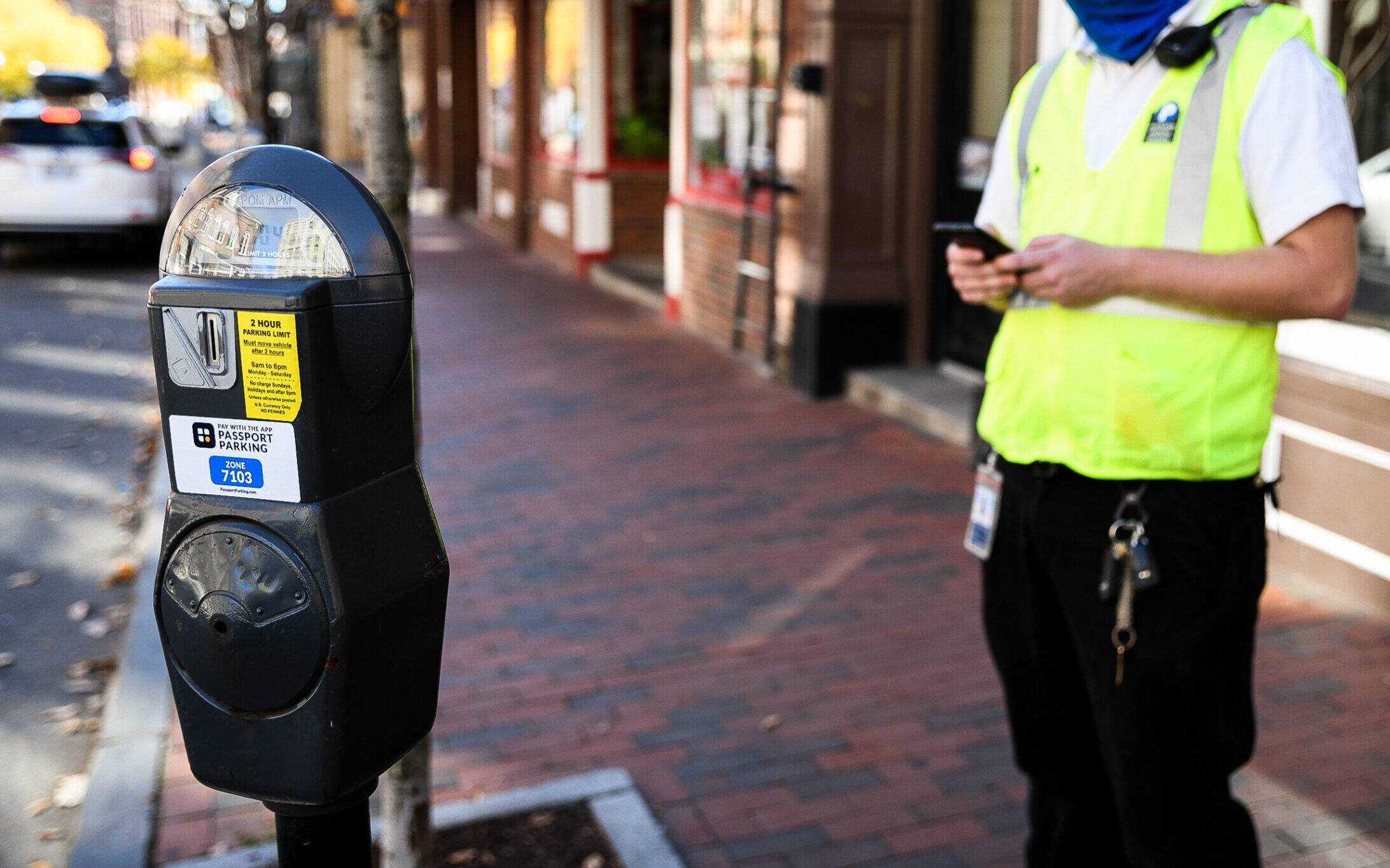
Despite growing pressure, many municipalities treat parking operations as routine maintenance rather than a strategic financial asset. Disconnected payment apps, legacy meters, and fragmented enforcement systems often mean that a city’s most valuable public real estate is also its most underperforming revenue source. The result is not just uncollected income but also inefficiency and inequity, as compliance depends more on chance than on clear policy.
Cities that rethink this approach are finding that more strategic curb management can produce measurable results. By connecting data across parking, permitting, and enforcement systems, they can see — sometimes for the first time — the full picture of curb demand and value. That insight enables smarter pricing, fairer compliance, and the recovery of revenue that would otherwise disappear into administrative gaps. Every dollar counts, and curb management is emerging as one of a city’s most overlooked engines for fiscal resilience.
Understanding the Revenue Gap
For most cities, the real challenge is not a lack of curb activity; it is the inability to see and manage that activity as a unified system. Meter data lives in one place, mobile payments in another, permits in a third, and citations in a fourth. Staff piece together spreadsheets and reports to answer basic questions such as where demand peaks, which blocks experience the highest turnover, or how many violations go unresolved in a typical month. In that fragmented environment, leaders cannot know with confidence how much revenue they should expect from their curb, much less how much they are leaving behind.
That blind spot shows clearly in the numbers. In many jurisdictions, parking ticket revenue accounts for a meaningful share of the budget, yet millions of dollars in fines and fees remain uncollected year after year. One recent review found that a mid-sized capital city generated about $5.2 million in parking ticket revenue while still carrying roughly $11.75 million in unpaid violations on its books, more than double what it actually collected. In another case, a city that collects around $2.8 million annually in parking tickets had nearly $7.4 million in outstanding unpaid tickets. Those gaps represent more than paperwork; they represent services delayed, projects scaled back, and residents asked to shoulder a greater share of the tax burden.
Inefficiencies often extend beyond collections. Underpriced or free curb spaces in high-demand areas encourage long stays and circling traffic, while more expensive off-street facilities sit underused just a block away. In one study of U.S. capital cities, on-street meters generated a median of about $1,077 per space each year, with some cities collecting as little as $49 per space, far below what comparable blocks earned elsewhere. These numbers signal misaligned pricing and policy, not a lack of demand. When cities fail to align their rates, hours, and enforcement with actual behavior at the curb, they leave significant and recurring revenue on the table.
Moving Toward Data-Driven, Connected Compliance
Some cities are harnessing unified data platforms to bridge gaps and unlock curb potential. These systems aggregate real-time inputs from meters, apps, permits, and enforcement into a single dashboard that reveals citywide demand patterns, enabling leaders to spot overused blocks in minutes rather than months. Then they can adjust rates to match peak hours and test-pilot zones without guesswork. Programs that capture this visibility reportedly drive compliance rates up 20–30% in the first year, while cutting administrative overhead.
The next step in this connected approach is predictive analytics. Algorithms forecast violation hotspots based on historical turnover, weather, events, and even delivery surges, enabling officers to target high-impact routes rather than conduct random patrols. One coastal city redirected just 10% of its enforcement hours using such insights and boosted collections by over 15% without adding staff or raising fines. Dynamic pricing models flex rates block-by-block — higher at lunch rushes, lower overnight — mirroring hotel or airline strategies to maximize occupancy without alienating users.
This connected approach delivers more than dollars. It funds cross-departmental priorities such as pedestrian safety upgrades and micromobility hubs, turning the curb from a cost center into a policy accelerator. Municipalities that integrate these tools report revenue gains, along with cleaner streets and fewer resident complaints, proving that strategic compliance pays dividends across the board.
Beyond Revenue: A Look at Safety, Fairness, and Efficiency
While it is true that strategic curb management generates revenue, its real value lies in cities reinvesting those gains in safer streets and fairer systems. Smarter enforcement can reduce double parking and sidewalk congestion that plague delivery-heavy corridors. When officers are guided by real-time data rather than instinct, they can address violations more quickly and prevent backups before they disrupt traffic flow. Data-driven enforcement programs reduce circling, a key cause of double-parking, by up to 30%.
Equity demands more than higher collections. It requires access for all income levels. Income-aware payment plans allow municipalities to scale fees to household earnings, while amnesty programs resolve outstanding violations for first-time payers, and installment options allow for the spread of costs over months. These tools replace debt traps with manageable terms that keep low-income drivers mobile rather than sidelined. For example, Philadelphia’s parking amnesty initiatives have collected millions from thousands of accounts, disproportionately benefiting underserved ZIP codes without hiking base rates.
Connected platforms complete the transformation by boosting staff efficiency. They automate violation matching, payment tracking, and dispute resolution, slashing paperwork by half in adopting departments. Officers then shift from chasing tickets to community outreach and policy pilots, testing EV-preferred zones or micromobility corridors. Leaner operations fund broader goals like crosswalks, bike lanes, and transit links without new hires or tax hikes. When cities treat the curb as integrated infrastructure, safety, fairness, and efficiency work together, turning parking from a headache into a citywide asset.
Parking as a Financial Engine for Resilient Cities
Parking reform doesn’t squeeze drivers — it recaptures value that disconnected systems waste every day. Cities already face shrinking budgets and surging curb demand, and there is ample opportunity to align data, pricing, and enforcement to capture revenue from existing demand. That recovered revenue funds safer streets, equitable access, and streamlined operations, creating a virtuous cycle where curb management bolsters broader mobility goals. In an era of fiscal uncertainty, the curb may be one of the most underutilized tools cities have to strengthen both their budgets and their communities.
